About
Structural engineer with 10+ years of international experience in steel design, FEA, and BIM — across Poland, Australia and Scandinavia. Tekla Structures expert with a primary focus on efficiency and automation — including complete custom environments fully tailored to company standards, covering automatic drawing creation, component-based modelling, reporting, and seamless Tekla ↔ RFEM integration. Hands-on team leader who enjoys raising the technical level of the team as much as solving hard structural problems. Currently leading a company integration at DS Stålkonstruktion while building internal engineering software in C#/PHP/JavaScript/C++. A deep personal interest in computer hardware and software extends to active exploration of AI and data-driven approaches in structural engineering — with a focus on automated design workflows, computational output quality and information safety.
Methodology
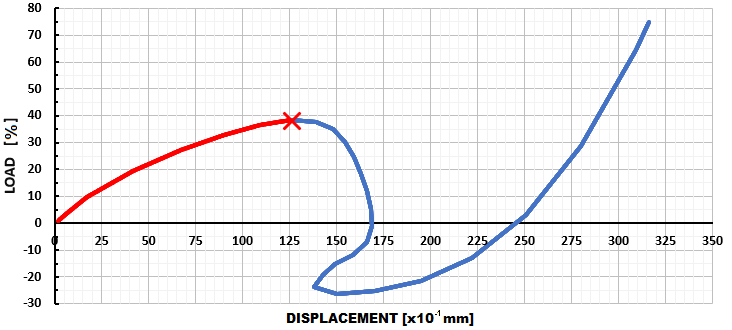
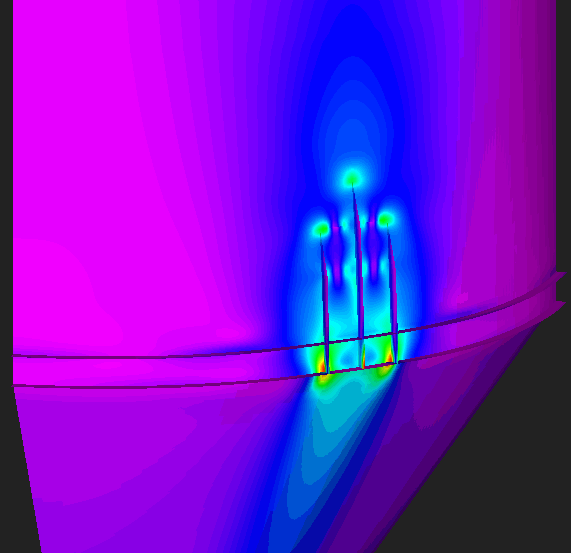
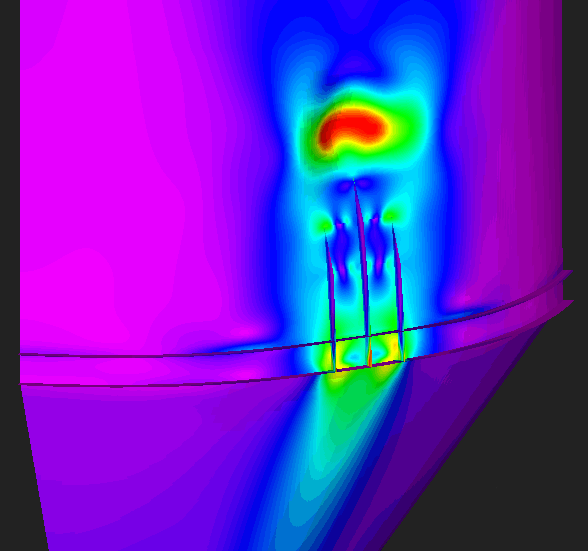
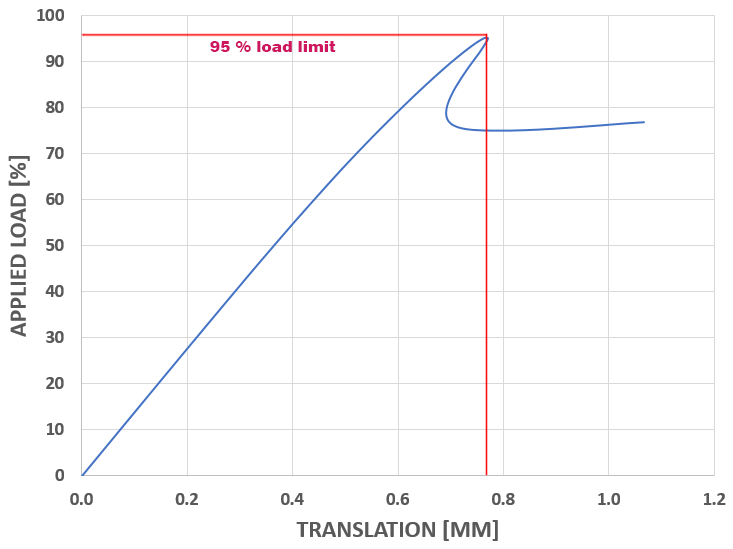
GMNIA — Geometrically & Materially Non-linear Analysis with Imperfections
The most robust FEA method for thin shell structures — silos, tanks, hoppers and special-purpose elements. Material behaviour is modelled as bi-linear; both global and local geometric imperfections are explicitly included. Combined with an Arc-Length algorithm, GMNIA captures snap-through and snap-back phenomena that simpler methods cannot. It is the contemporary standard for high-precision shell design.
Zero Mistake Strategy — Tekla ↔ RFEM Live Integration
All structures are modelled in Tekla Structures and live-linked to Dlubal RFEM. Analysis, member sizing and optimisation happen in RFEM; changes propagate automatically back to Tekla. This eliminates profile mismatches, geometry discrepancies and incorrect material sizes — clashes are detected and resolved before they reach the workshop.
Selected Projects
Classified all connection types (rigid, semi-rigid, pinned) from a client-supplied RSTAB model, performed connection design to EN 1993-1-8 and produced structural calculations. Provided instructions for Tekla detailing.
View 3D model →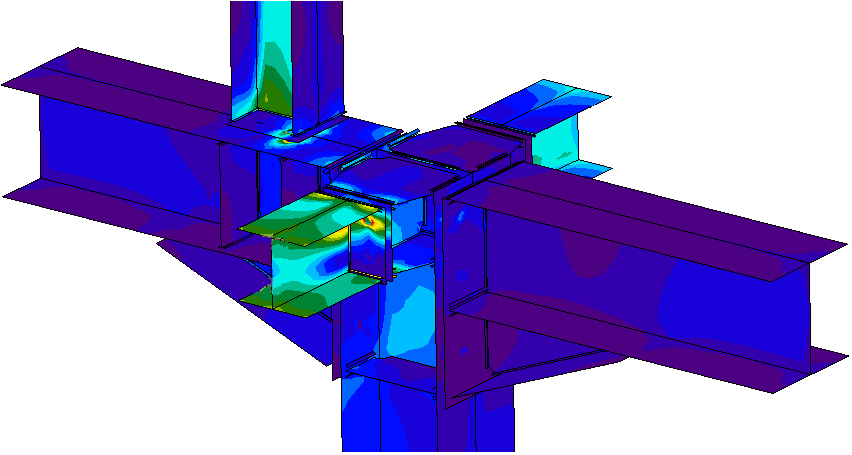
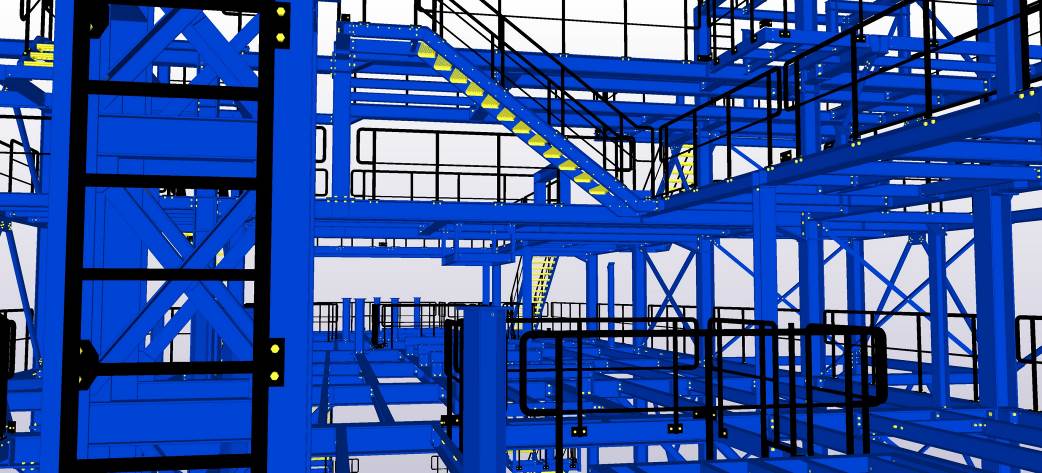
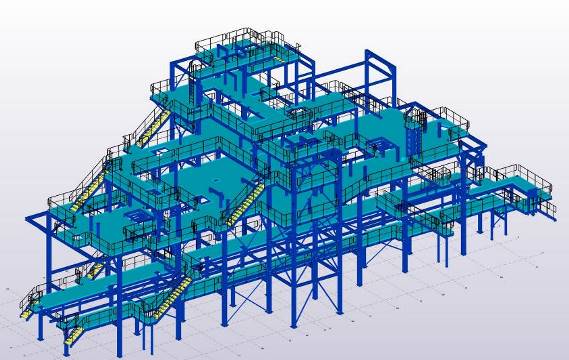
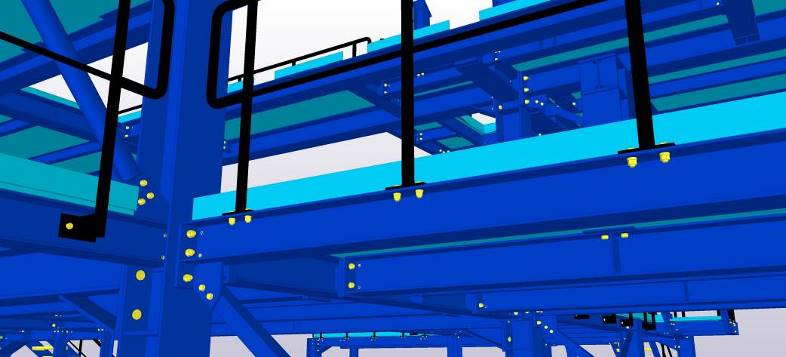
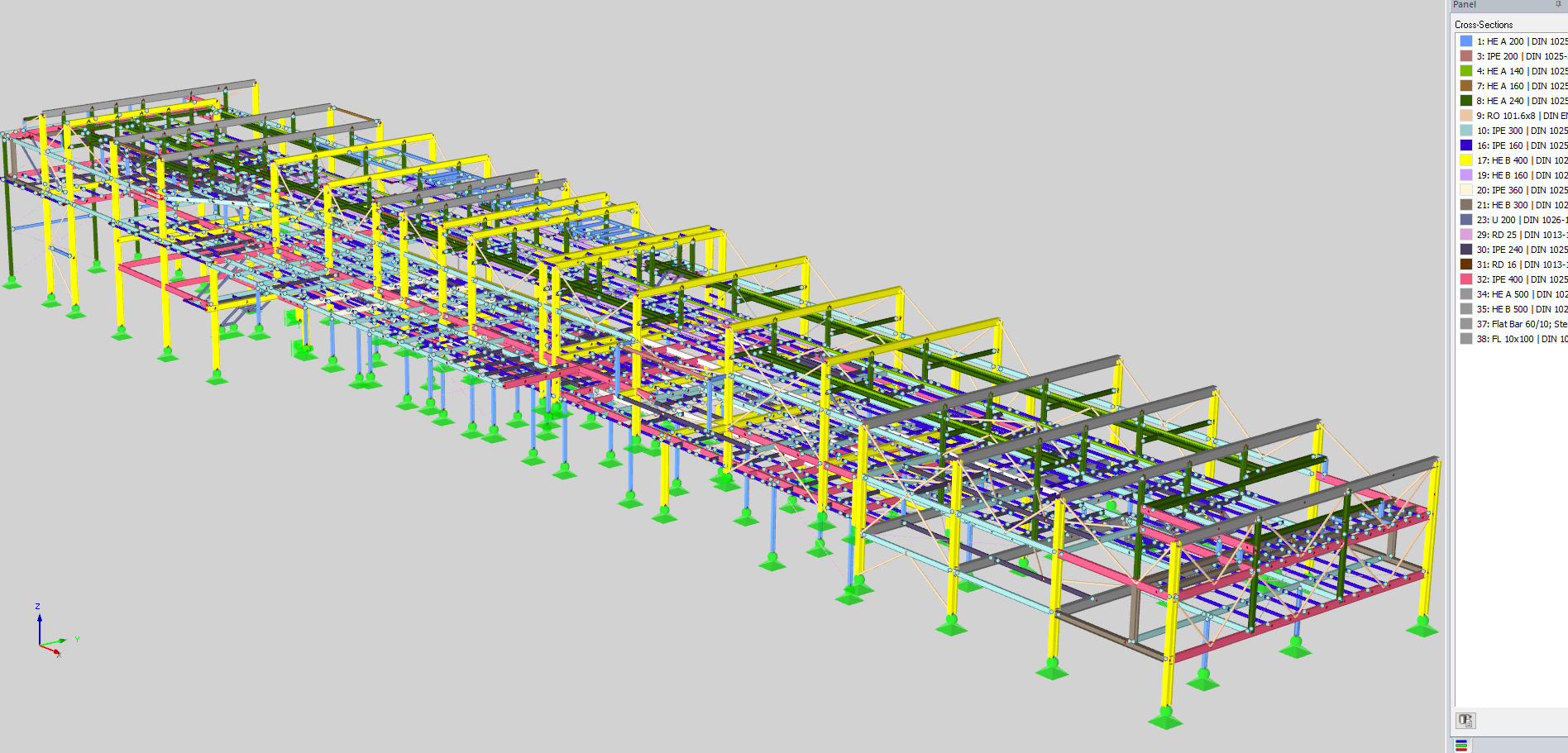
Modelled steel layout in Tekla from client drawings, live-linked to RFEM for full structural analysis including 2nd-order (Theorie II. Ordnung) effects. Designed all connections.
View 3D model →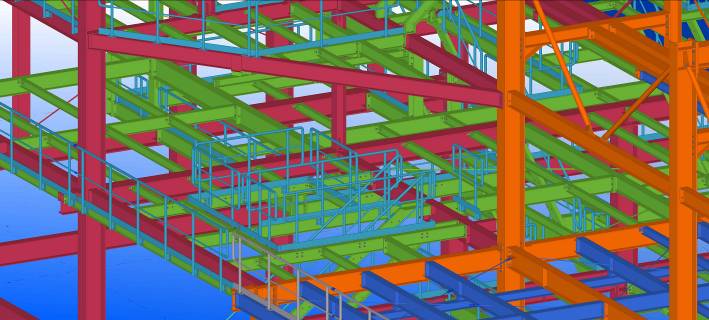
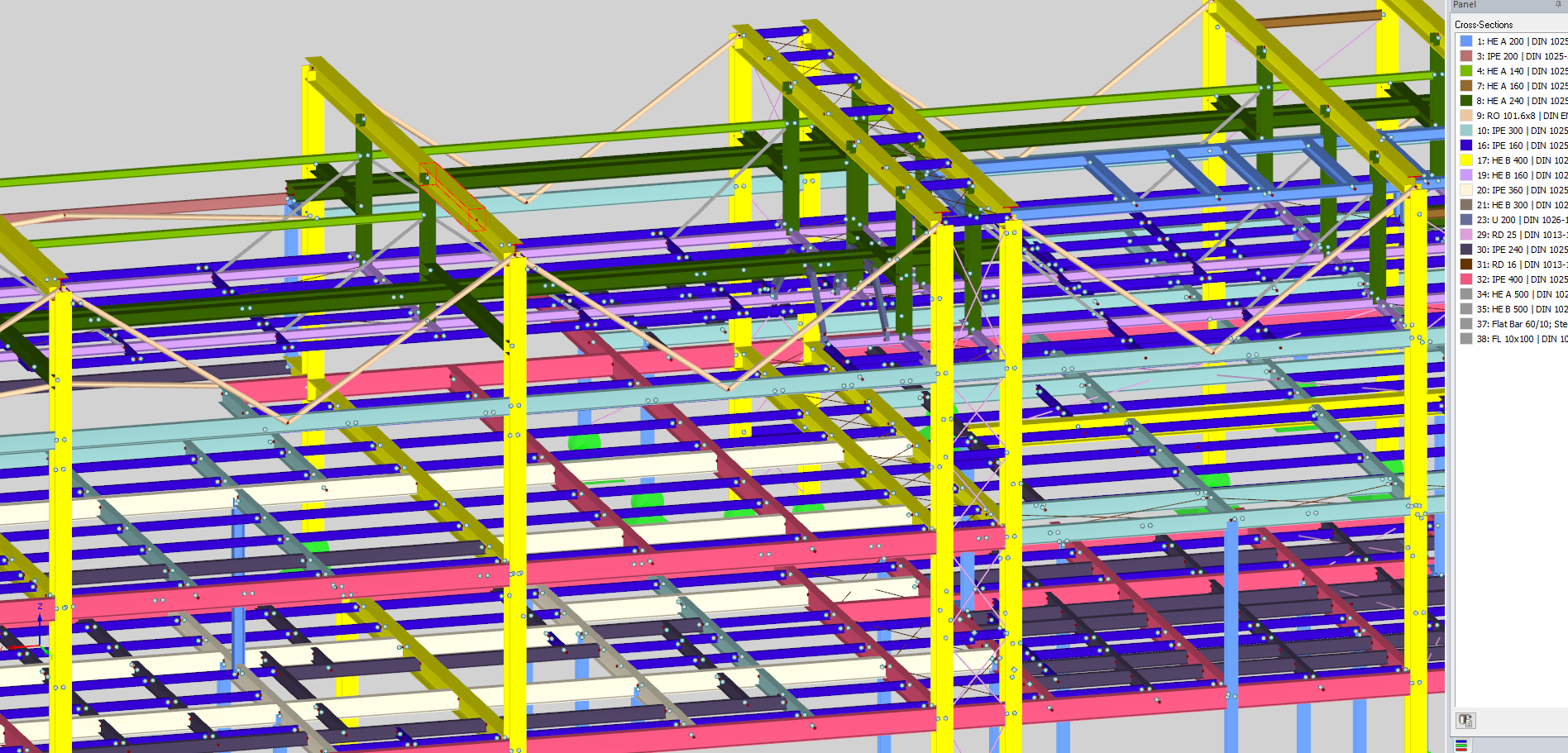
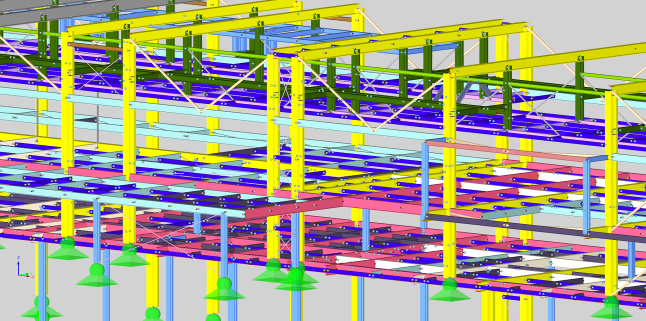
Led a team of 6 detailers producing accurate Tekla models against client structural documentation. Responsible for BIM coordination and quality of all workshop output.
View 3D model →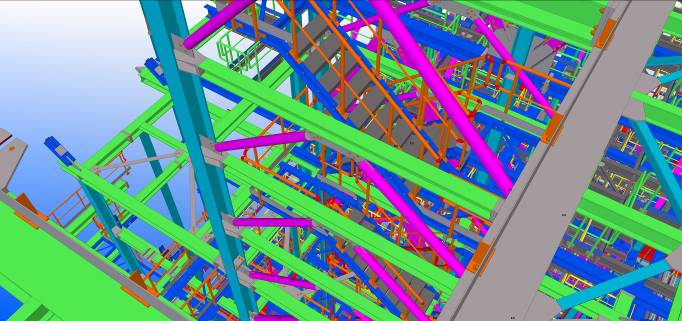
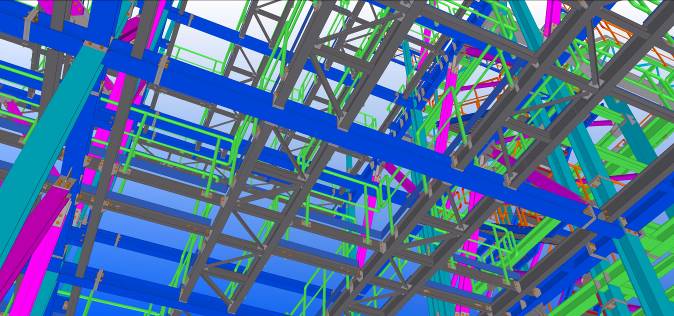
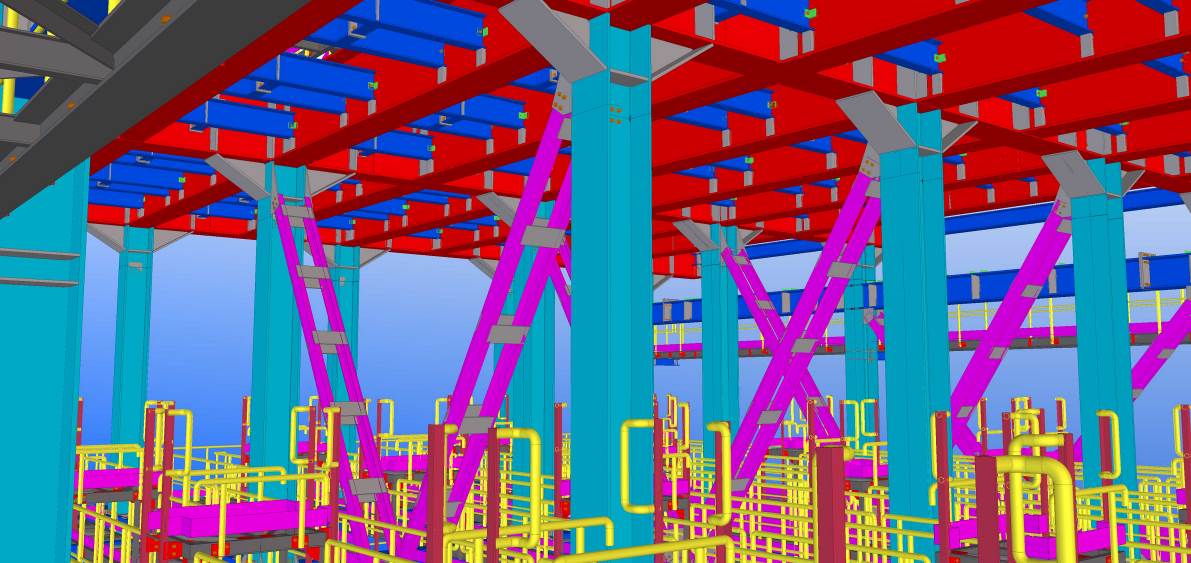
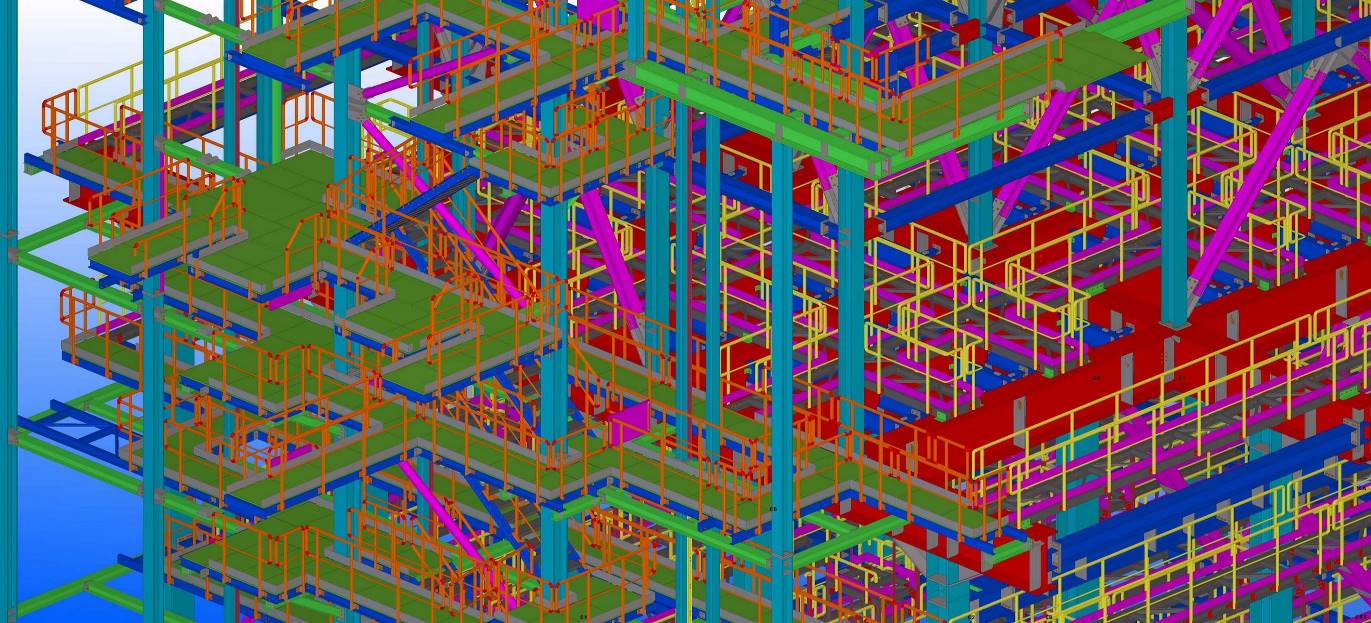
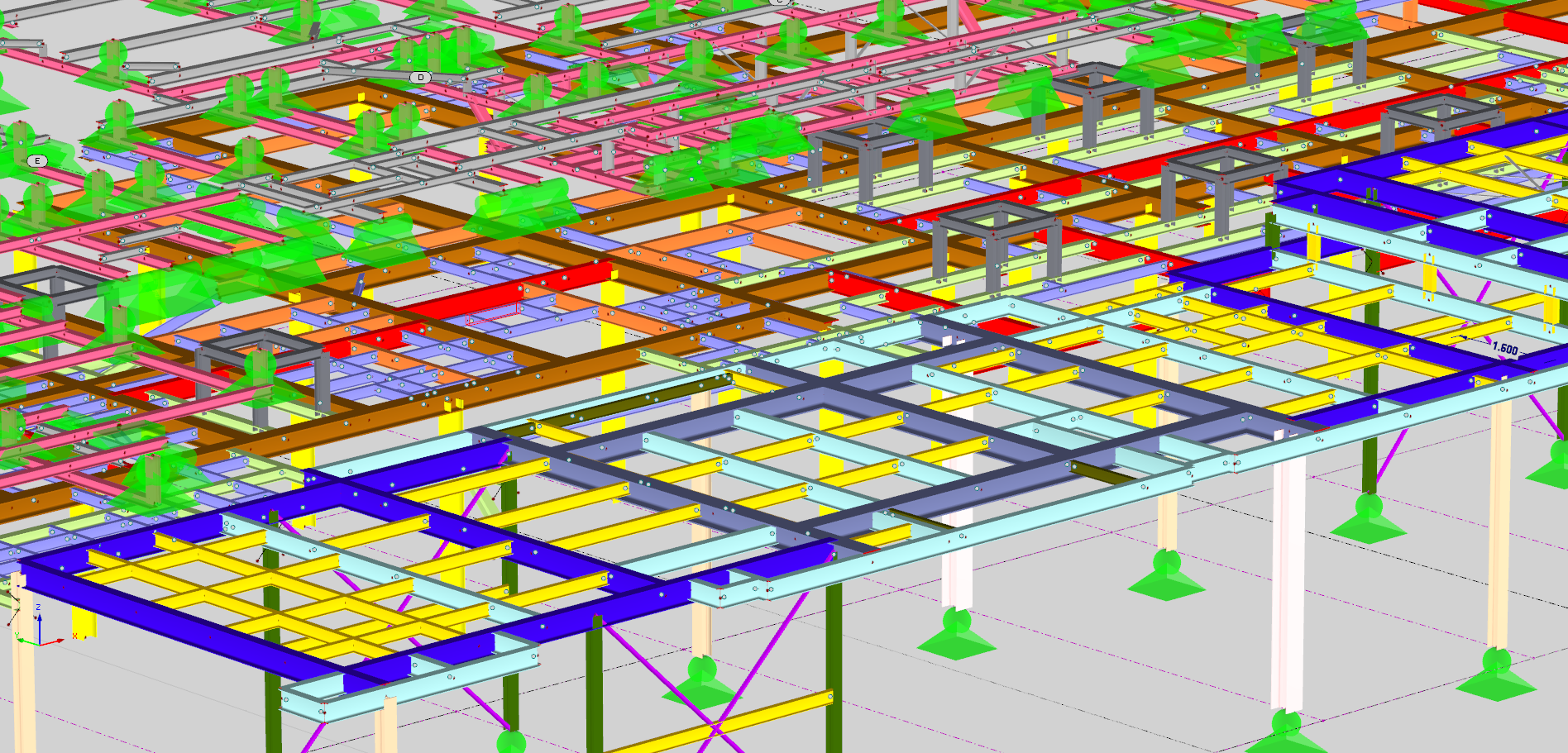
Full Tekla ↔ RFEM workflow: layout from client drawings, load application, structural analysis, joint design and partial Tekla detailing for a BMW production facility.
View 3D model →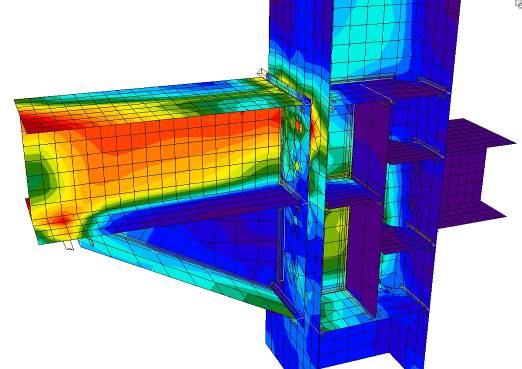
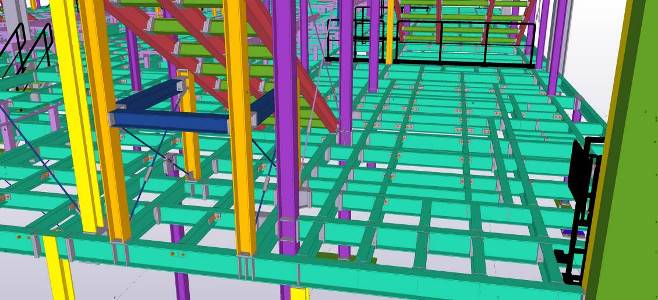
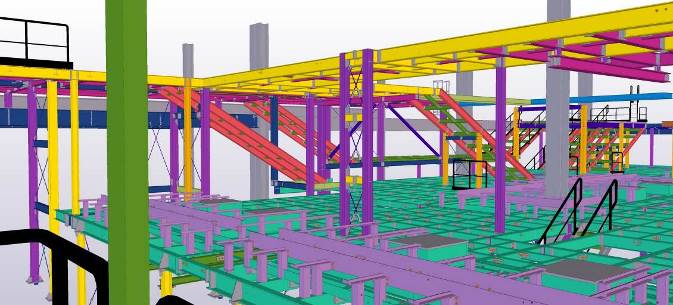
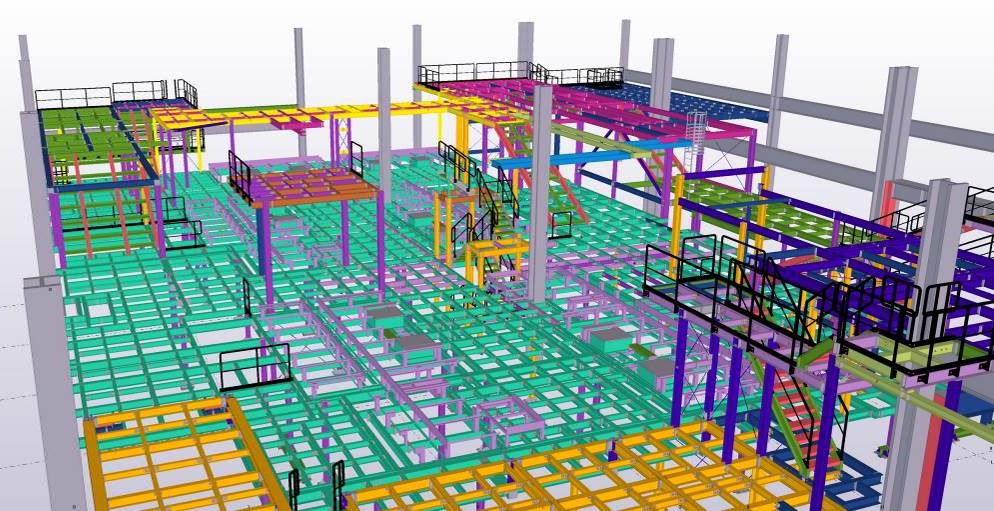
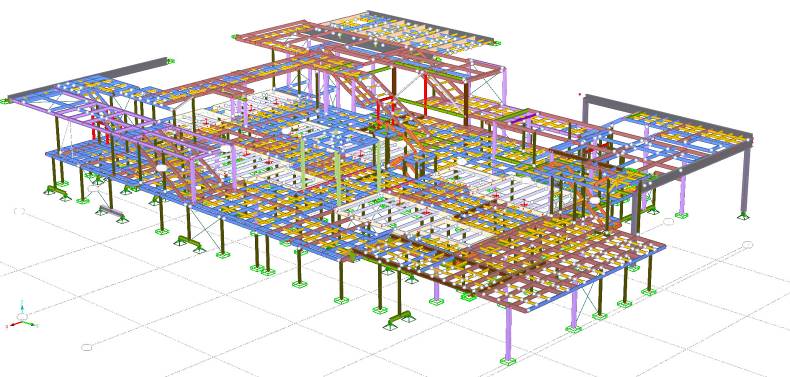
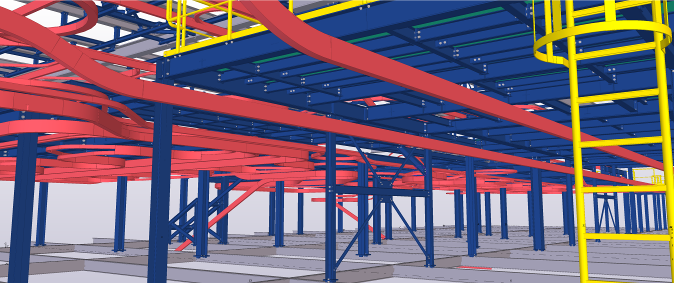
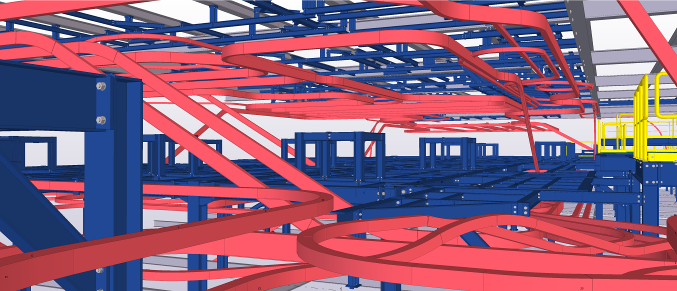
Complex structure erected over an existing concrete slab inside a BMW production hall. Full Tekla ↔ RFEM workflow: structural analysis, joint design and complete steel detailing.
View 3D model →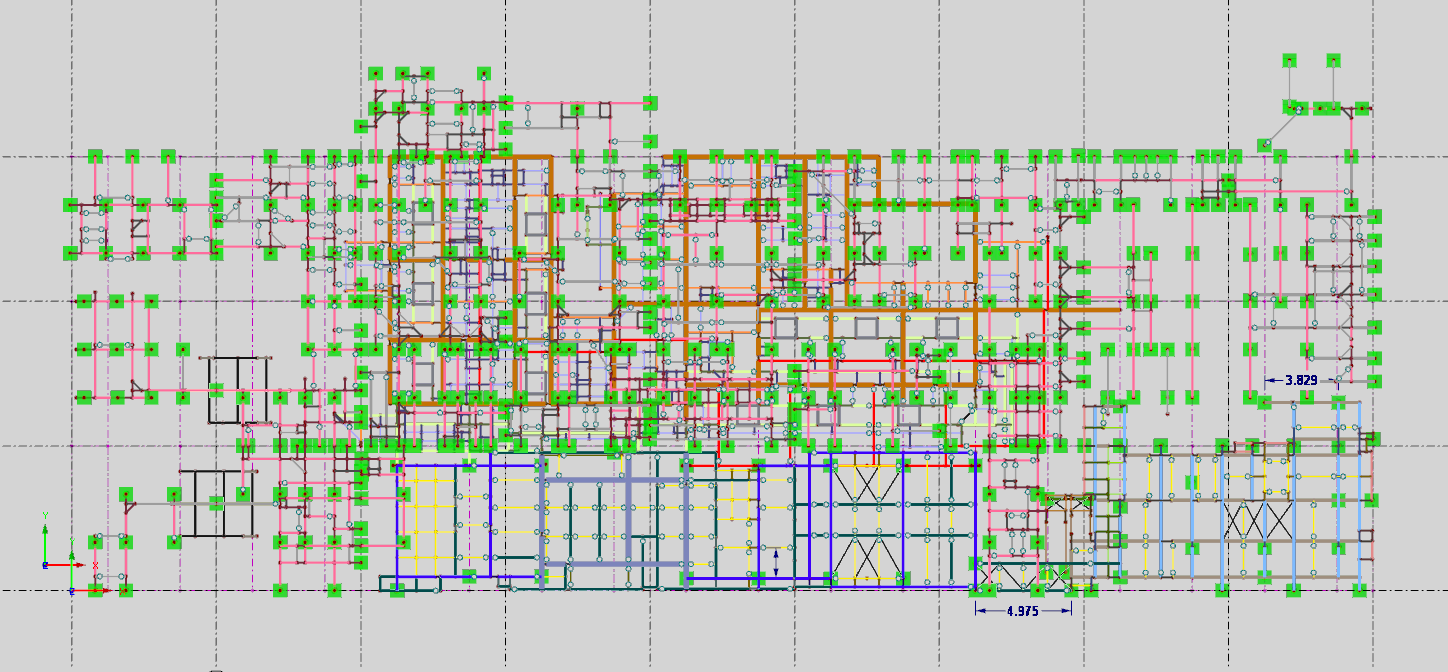
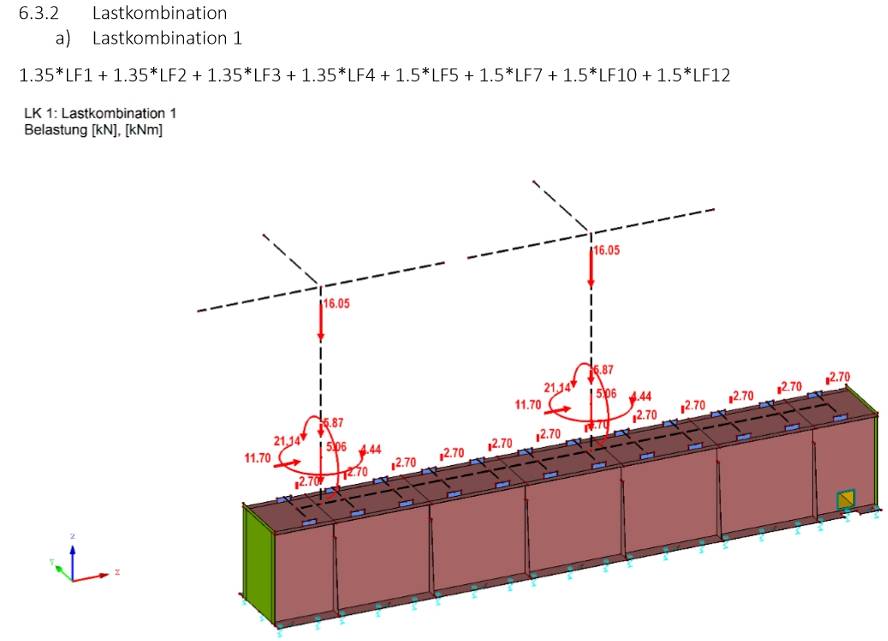
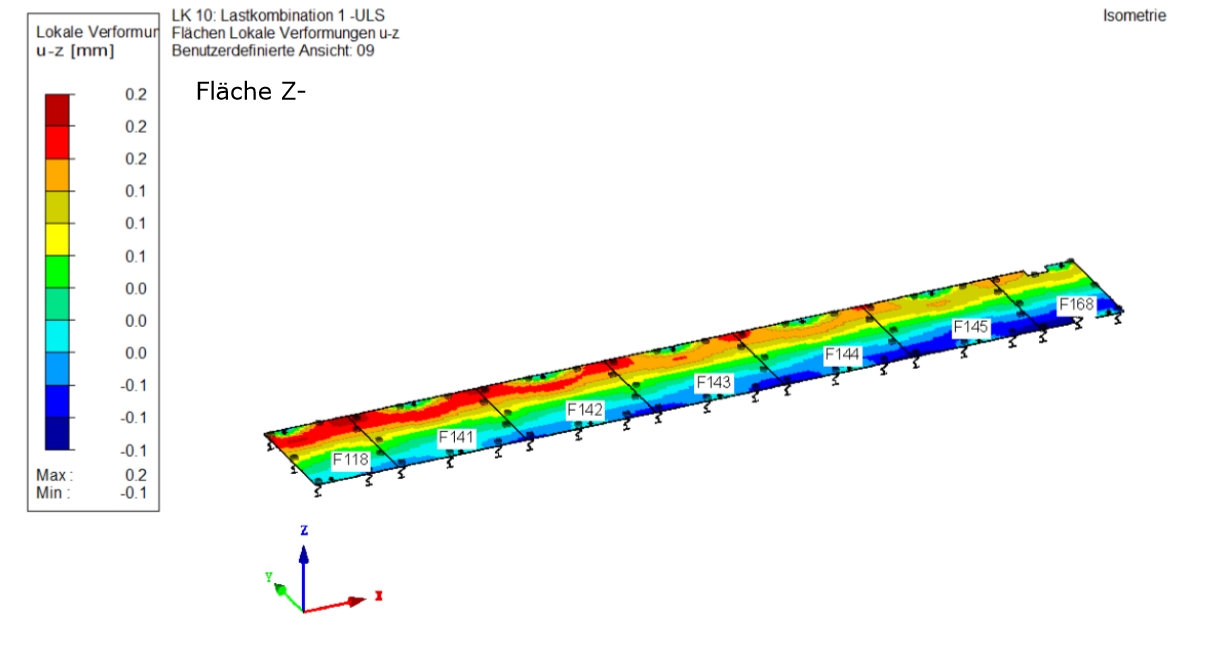
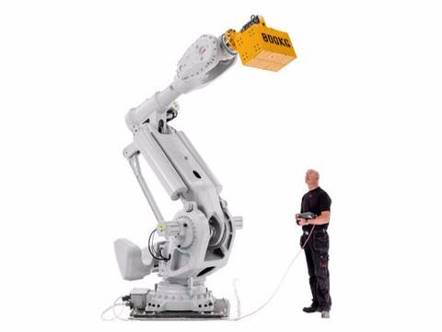
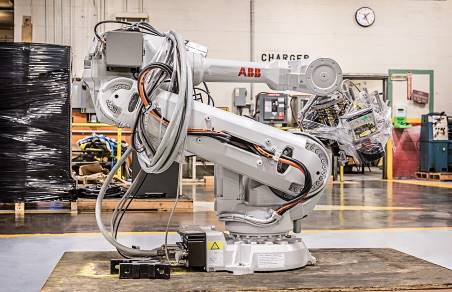
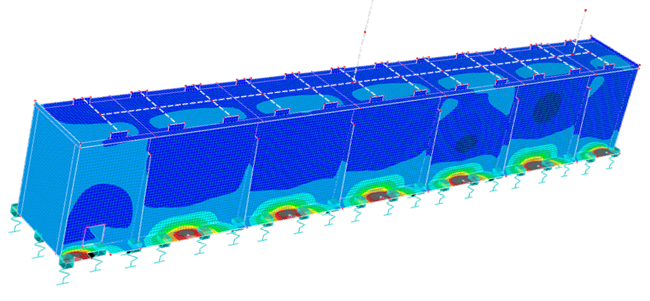
Bespoke rectangular box-section support structure for ABB assembly-line robots, designed entirely in RFEM. Deflection control under operational loading was the governing design criterion.
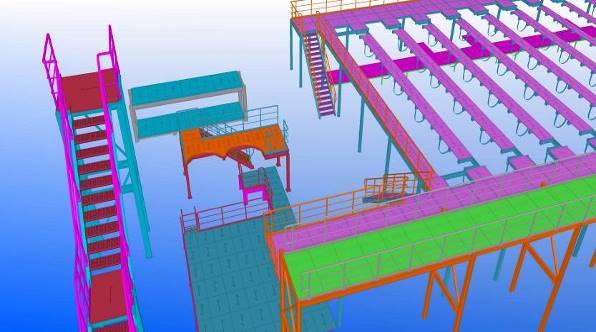
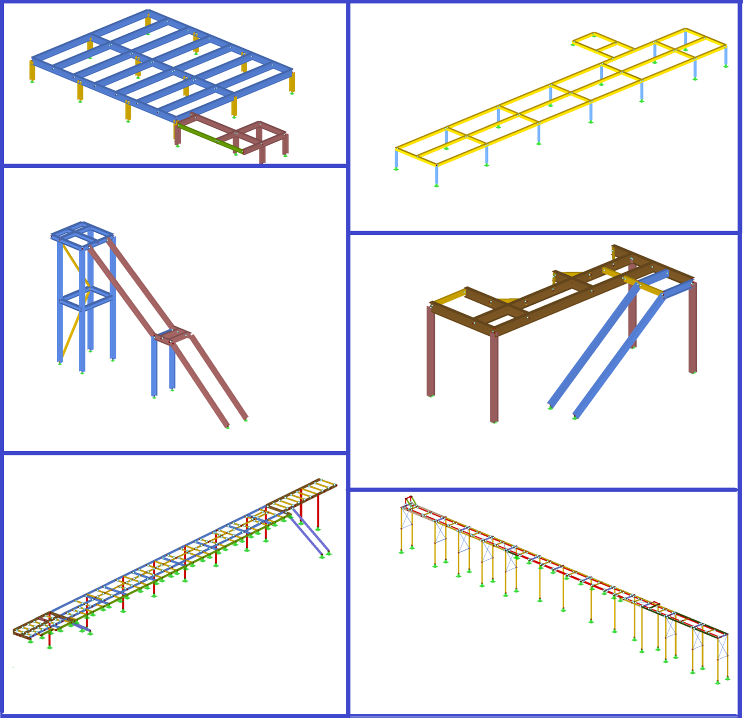
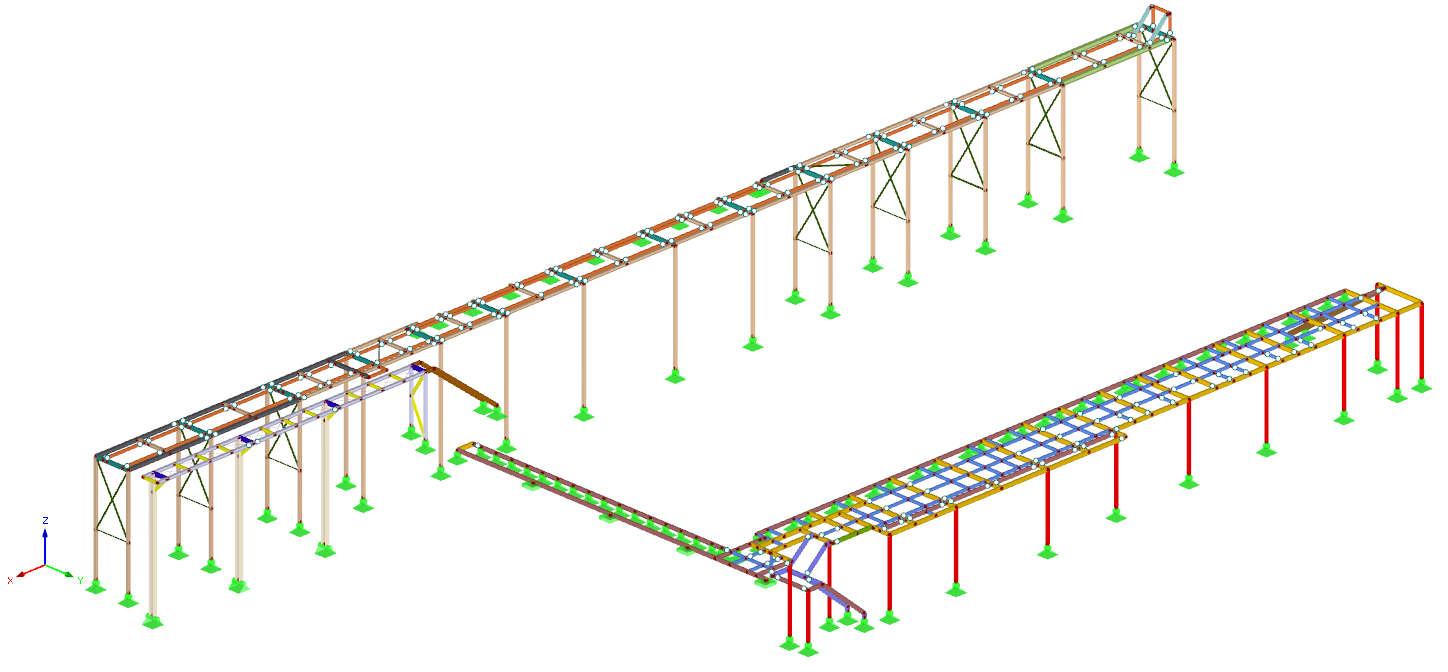
Full Tekla ↔ RFEM workflow for an aerospace industry client: layout modelling, load application, structural analysis, joint design and Tekla detailing.
View 3D model →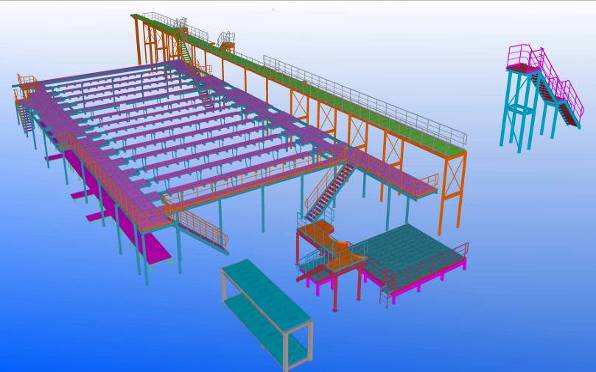
Embedded consultant supporting a detailing team: structural calculations, maintaining client requirements and resolving design issues throughout BIM coordination.
View 3D model →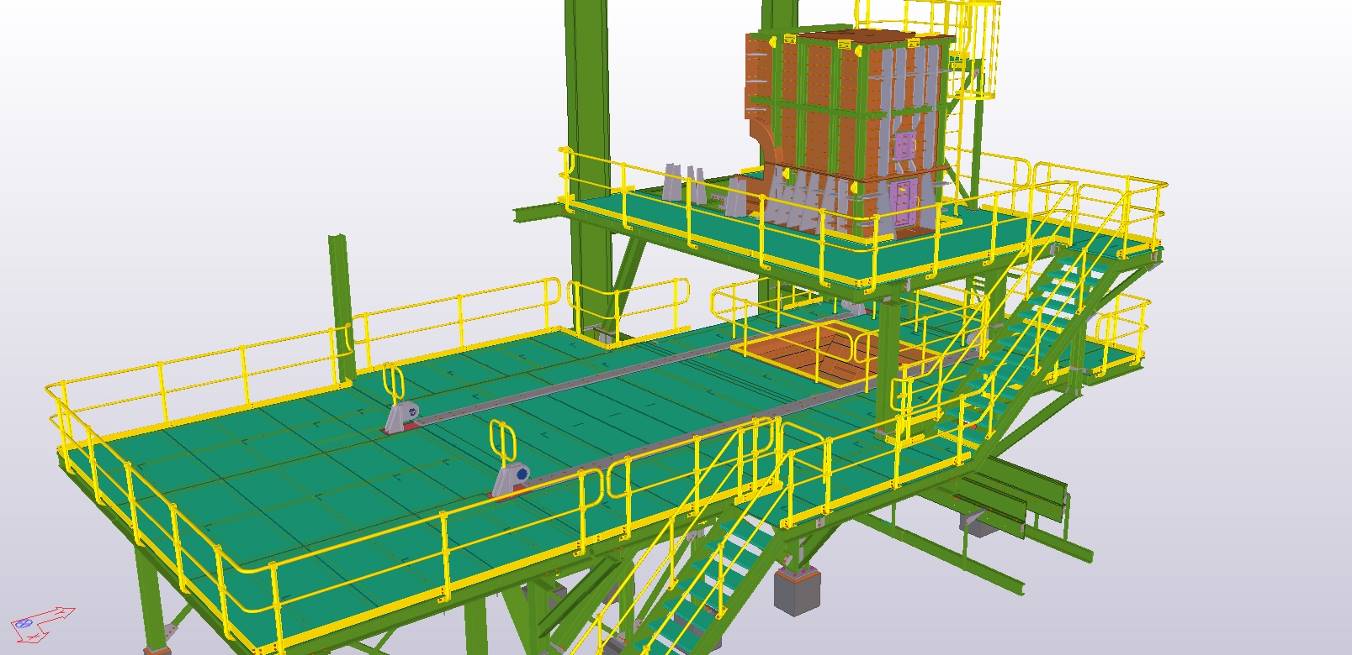
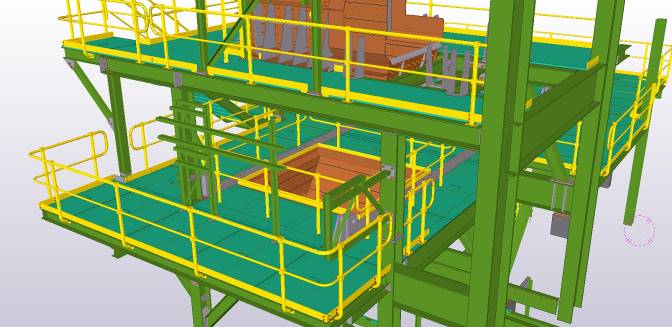
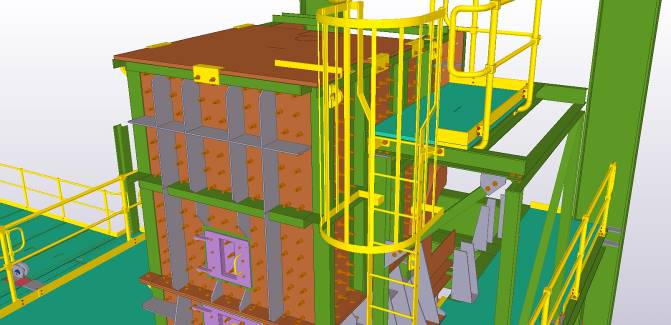
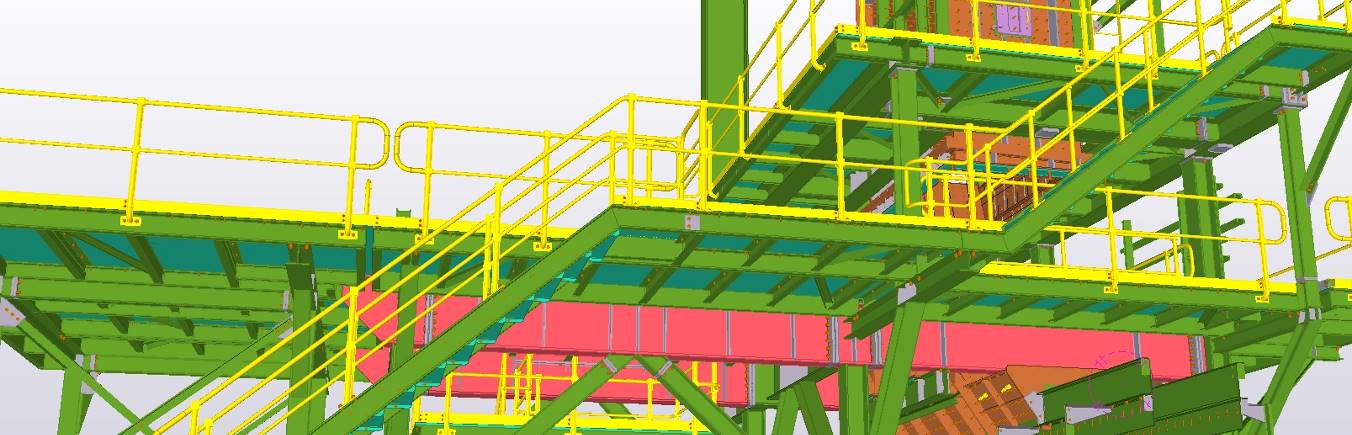
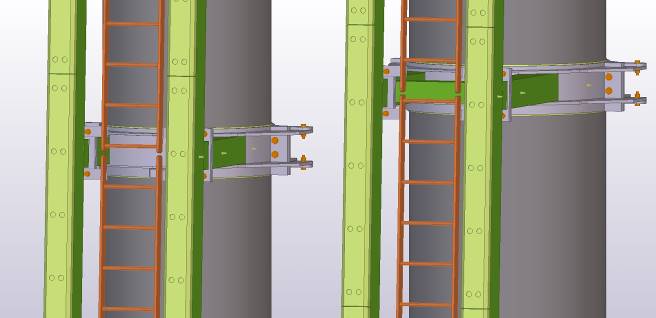
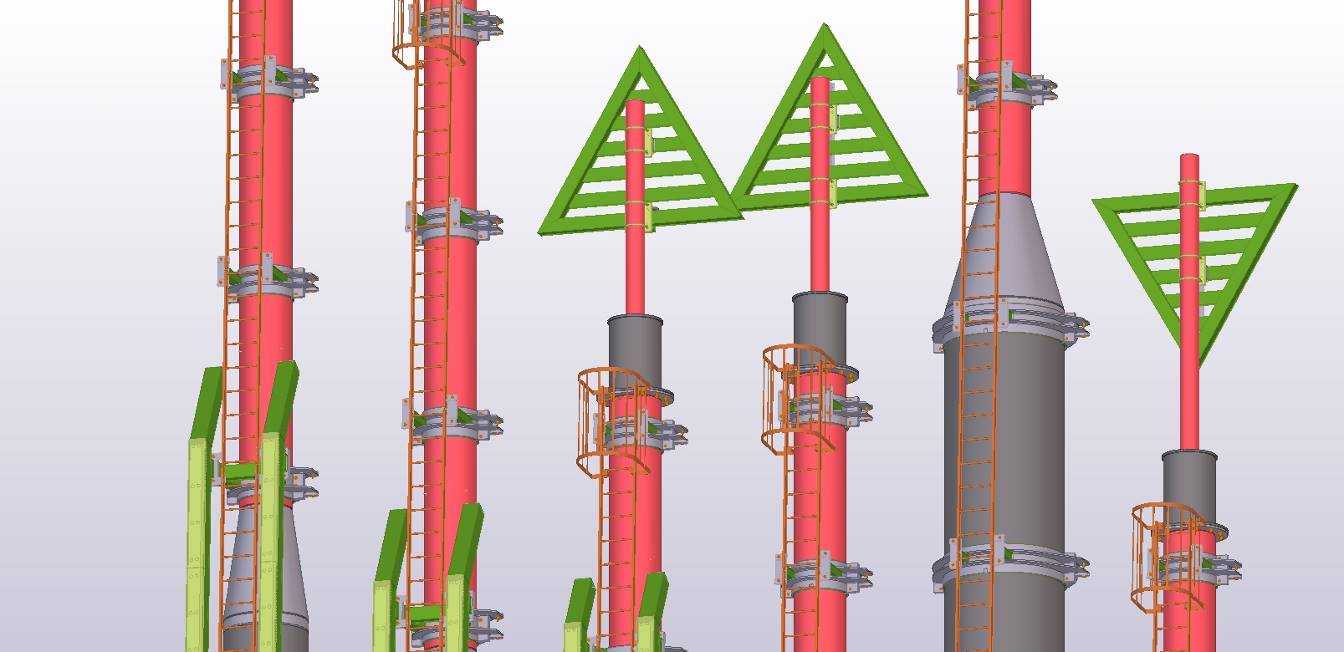
Structural analysis and design of new navigation equipment for existing port towers, coordinating with the marine engineer on load definition and detailing requirements.
View 3D model →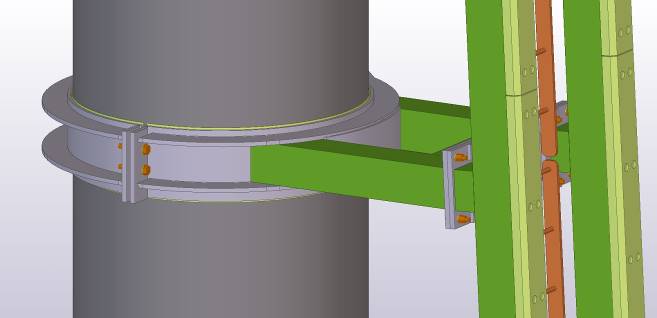
Composite steel and timber roof over an existing concrete building — wind load analysis, timber truss design and sizing of all steel columns, beams and purlins.
View 3D model →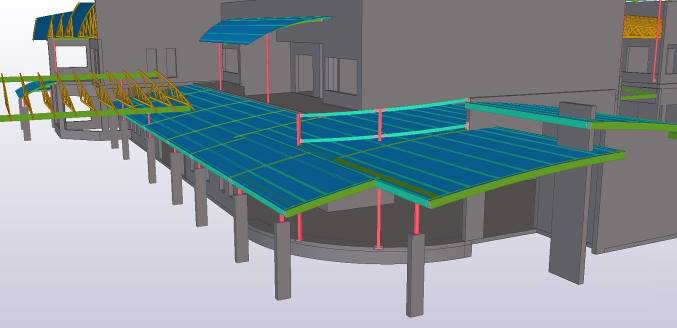
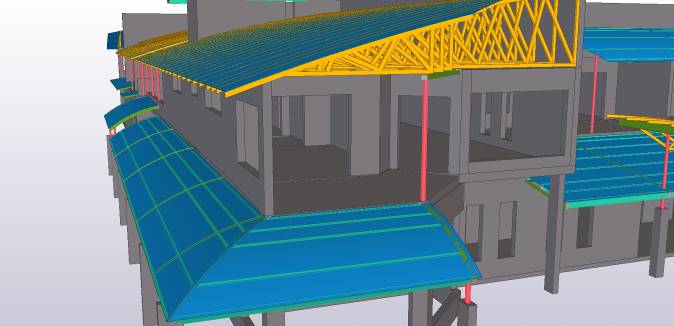
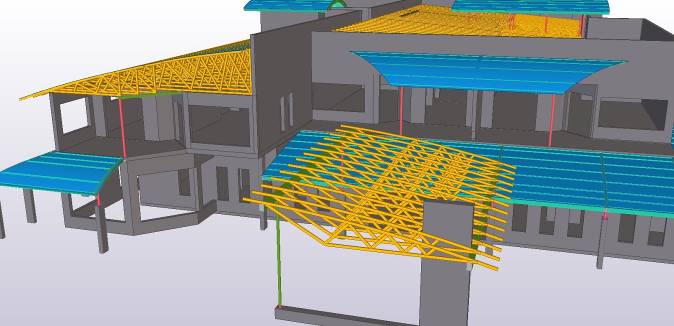
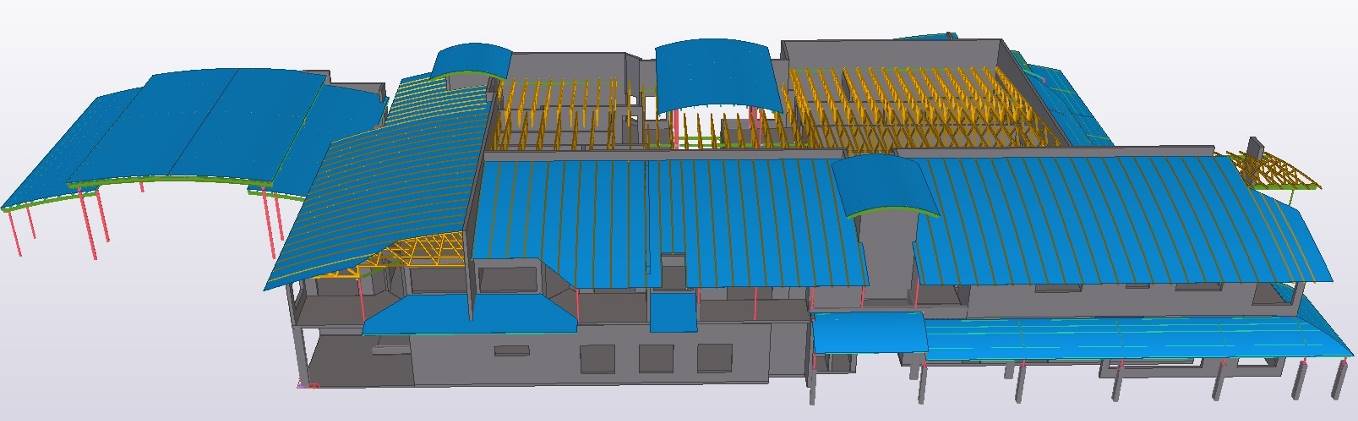
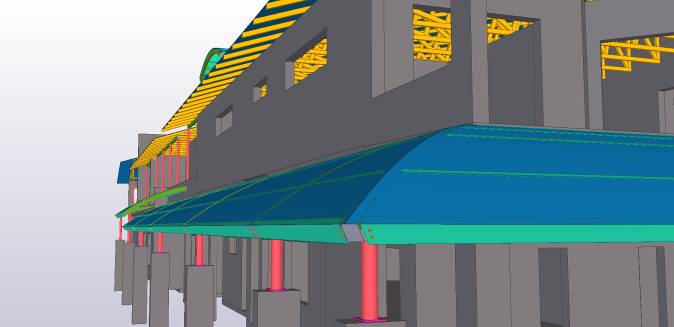
Steel roof with dense HVAC penetrations requiring intensive BIM coordination between structural and services teams. Simultaneous structural analysis and Tekla detailing of the roof and all connections.
View 3D model →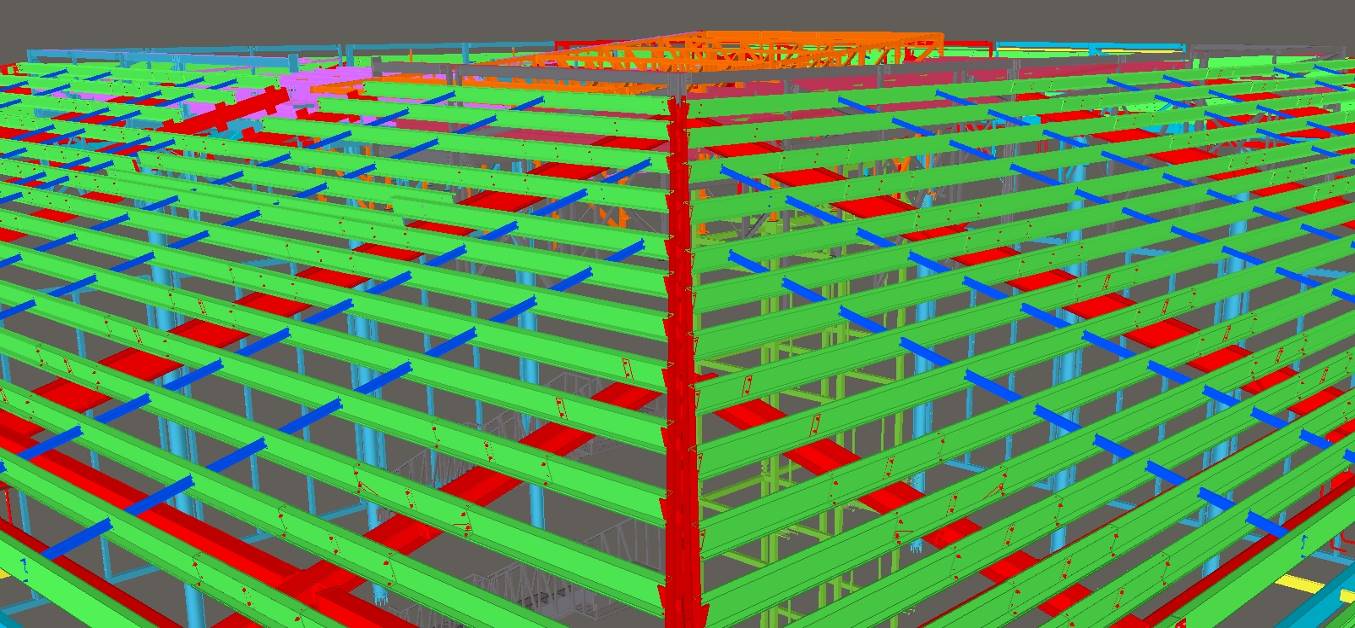
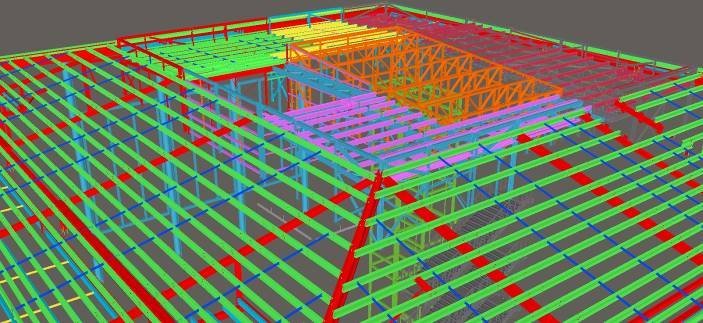
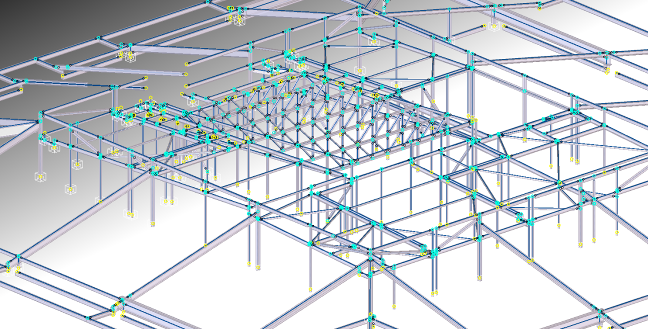
Steel roof fixed to an existing concrete building — structural analysis and full Tekla detailing.
View 3D model →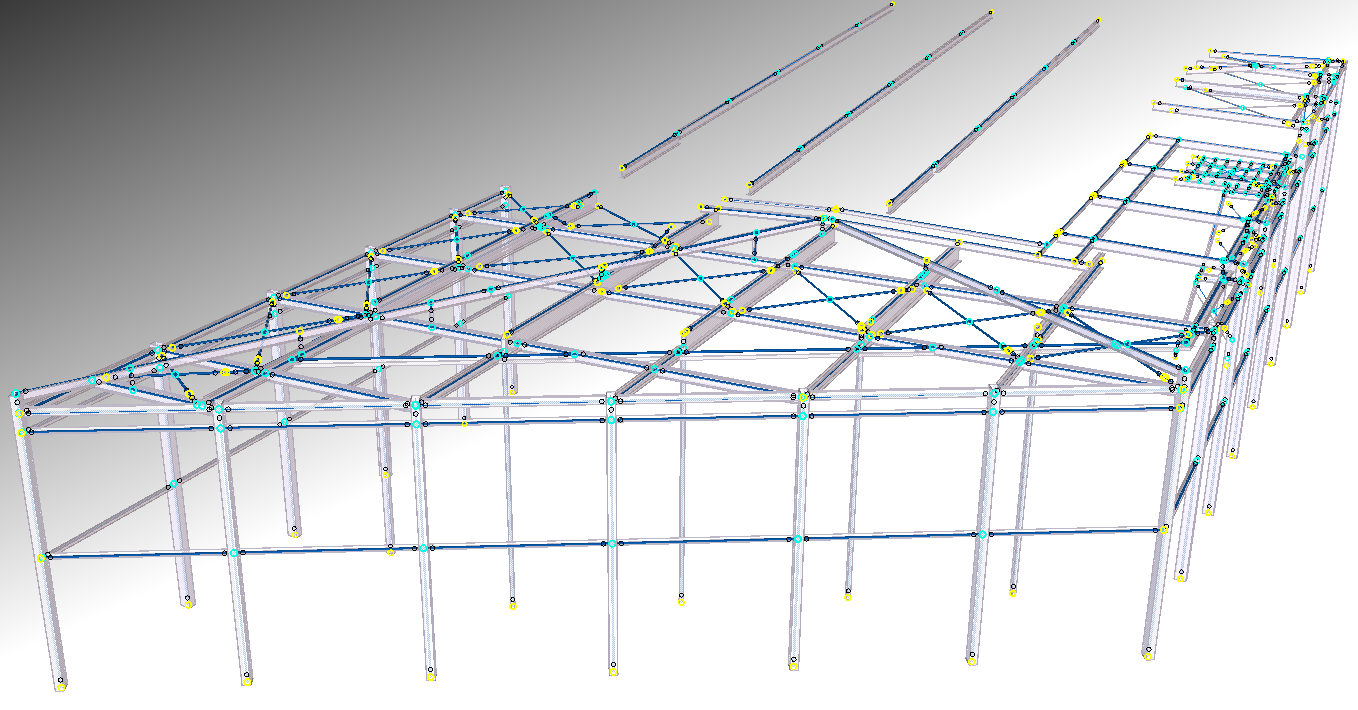
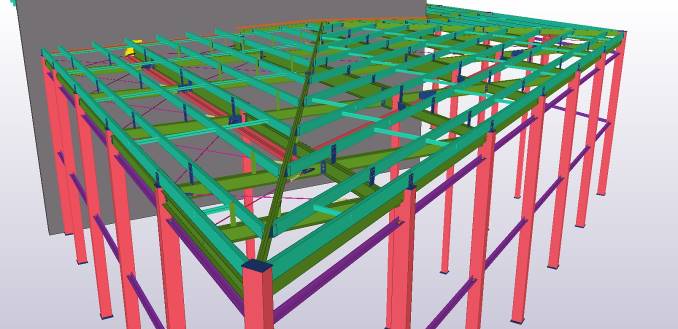
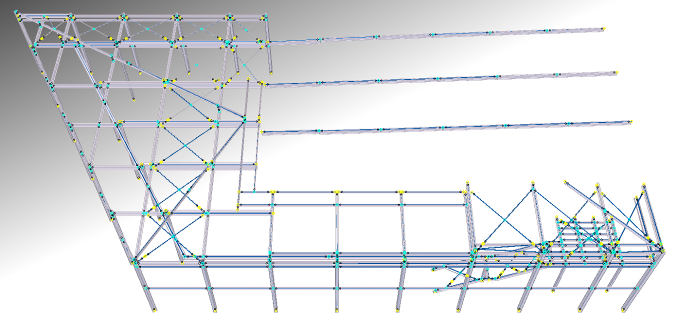
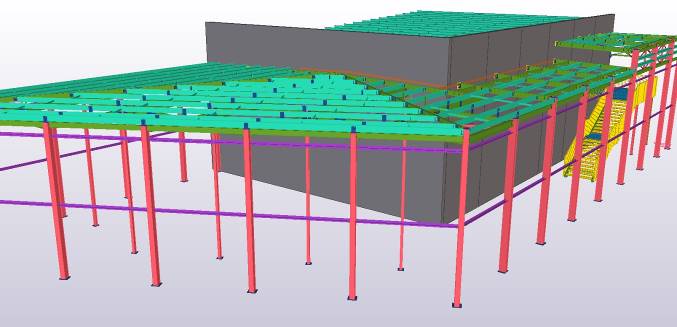
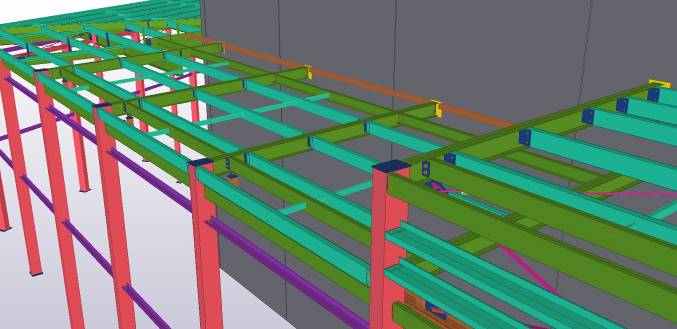
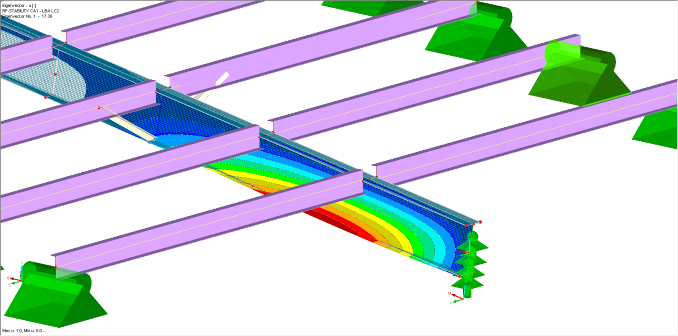
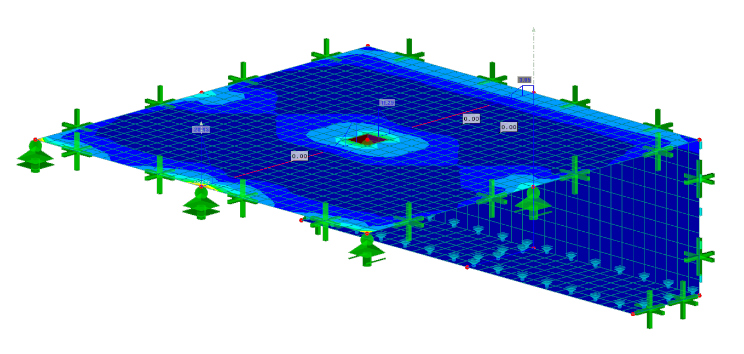
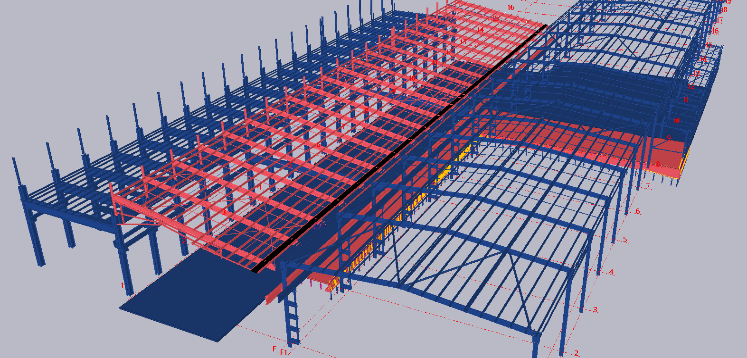
Multi-scope project: new roof spanning between existing buildings, crane beam, concrete slab extension and capacity assessment of the existing structure. Included steel pile and concrete retaining wall design.
View 3D model →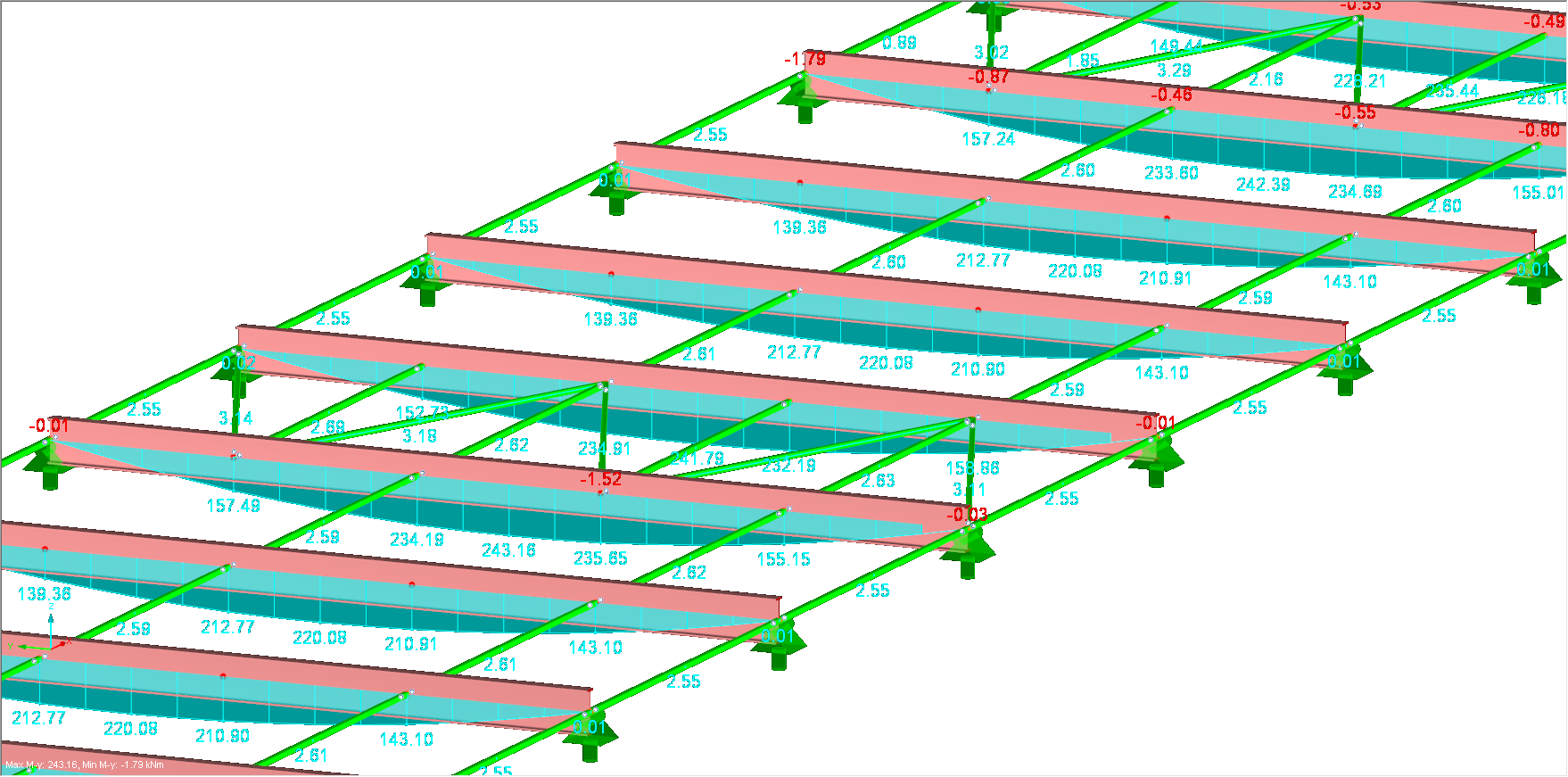
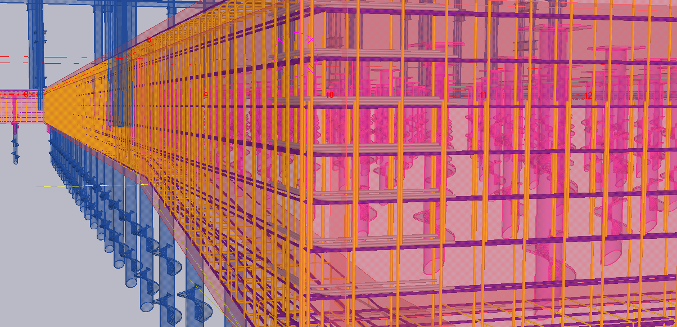
Light steel residential structure — structural modelling, load calculation, member sizing and connection design.
View 3D model →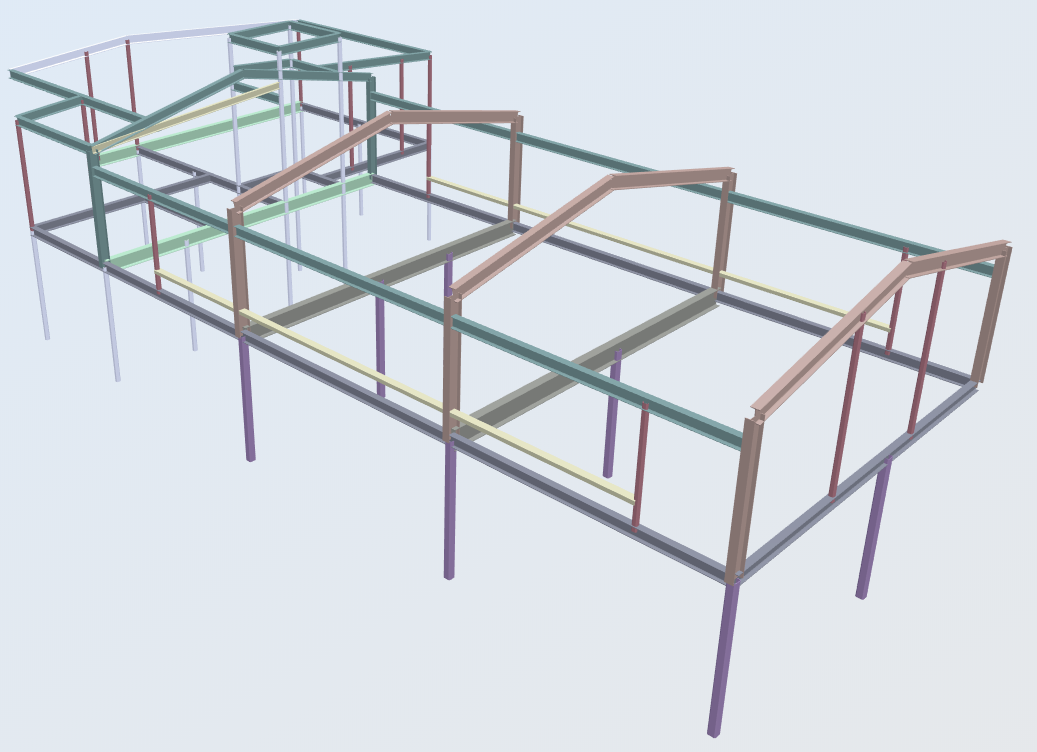
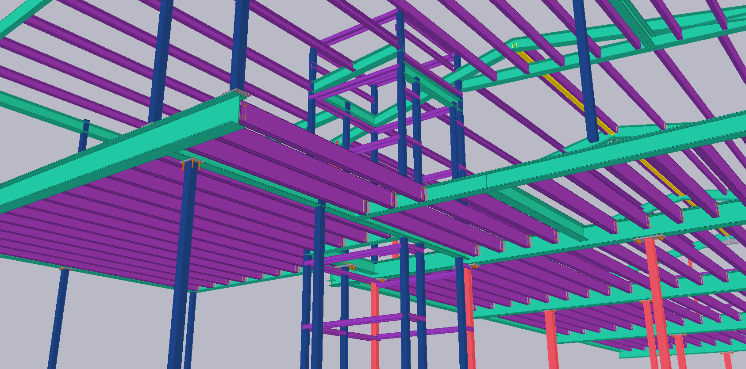
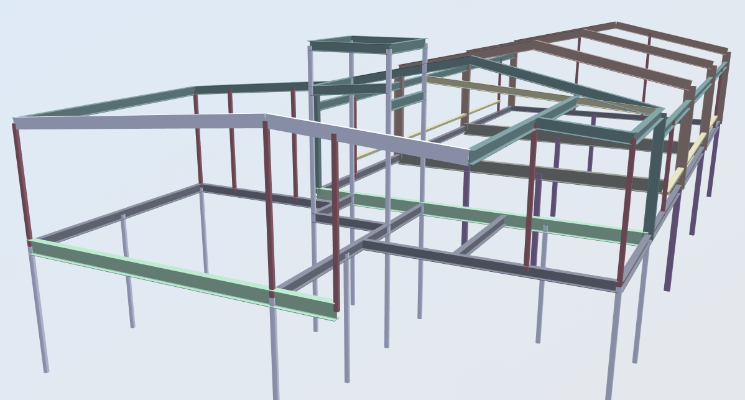
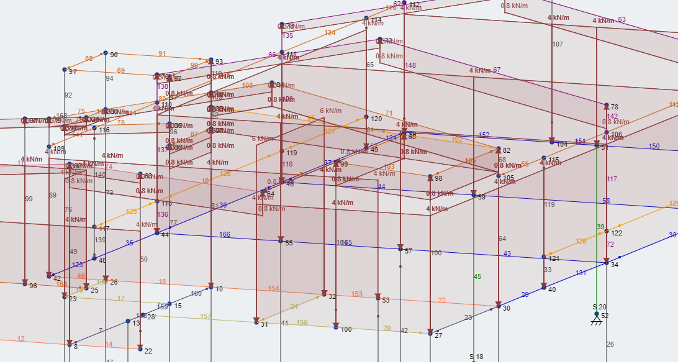
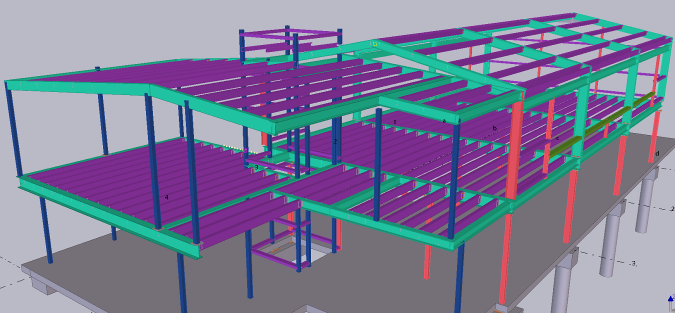
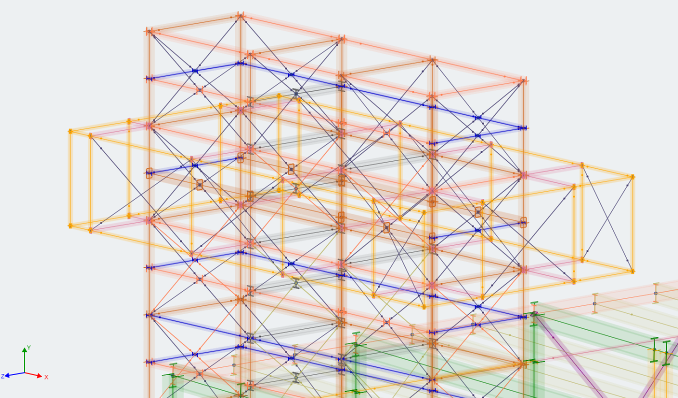
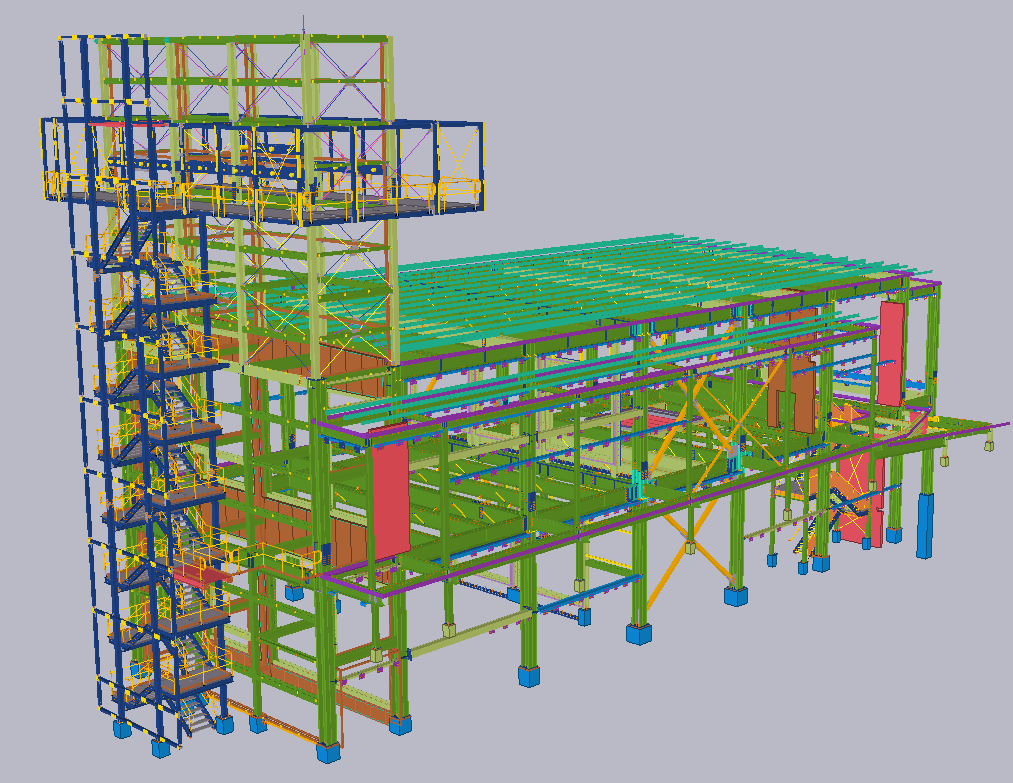
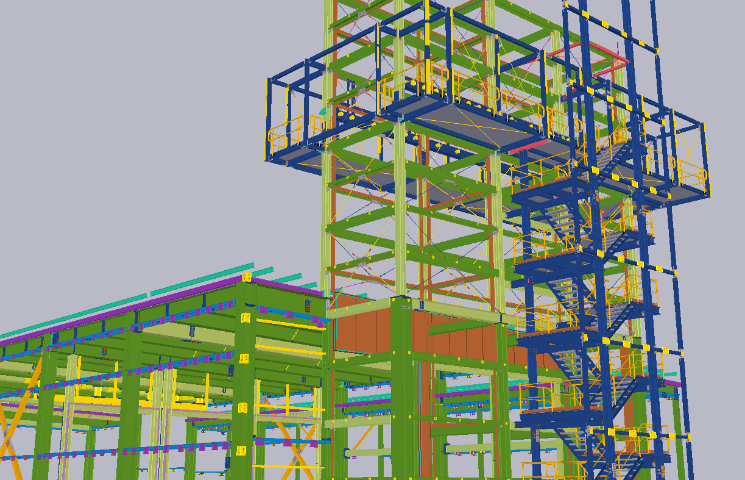
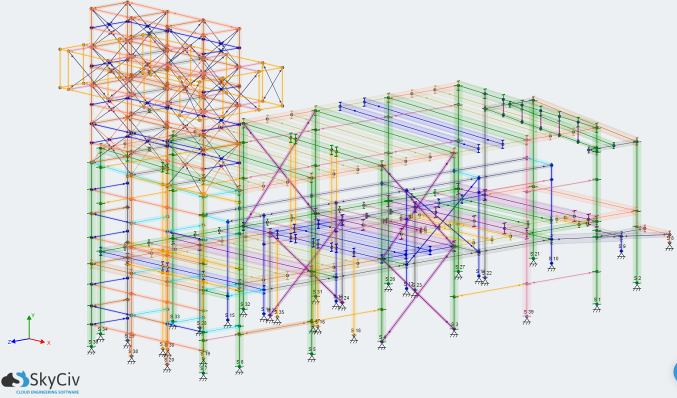
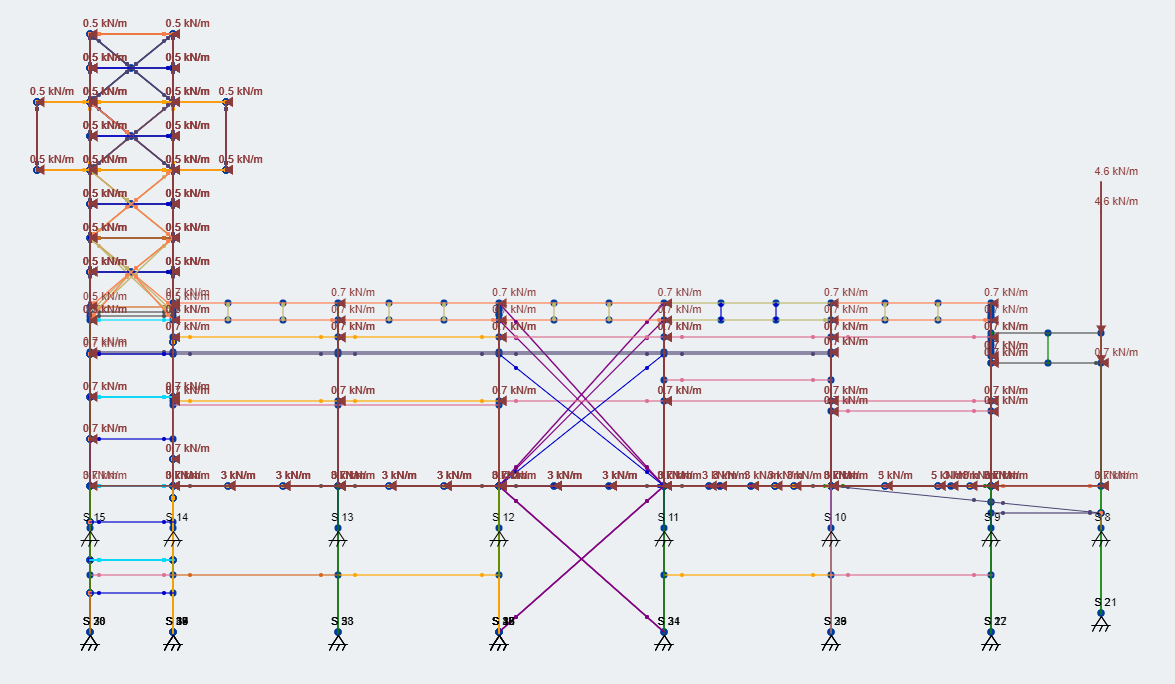
Part of a 3-person team on a large-scale steel and concrete structure. Responsible for structural analysis of the main tower and adjacent staircase, and for connection design throughout.
View 3D model →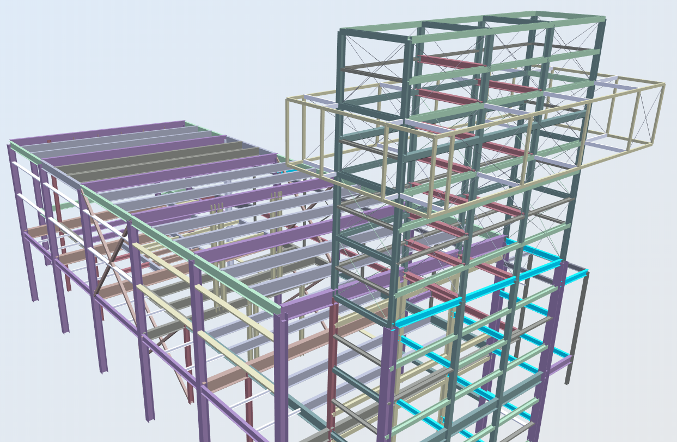
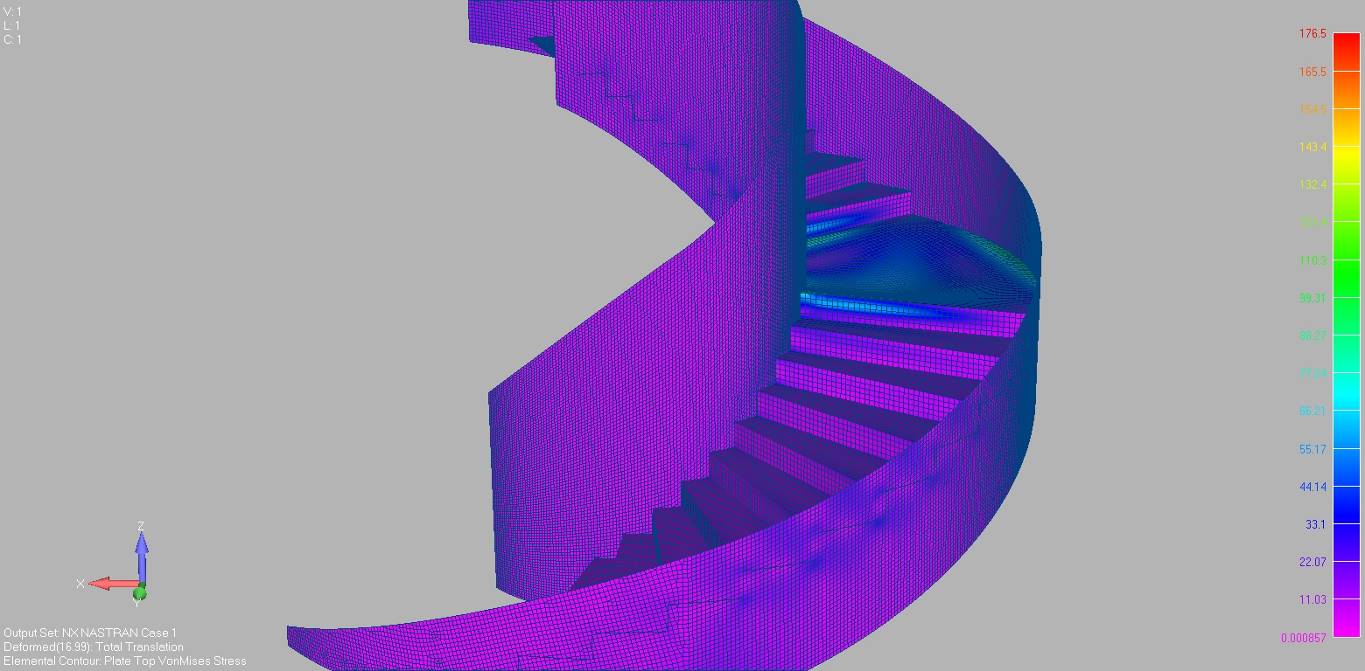
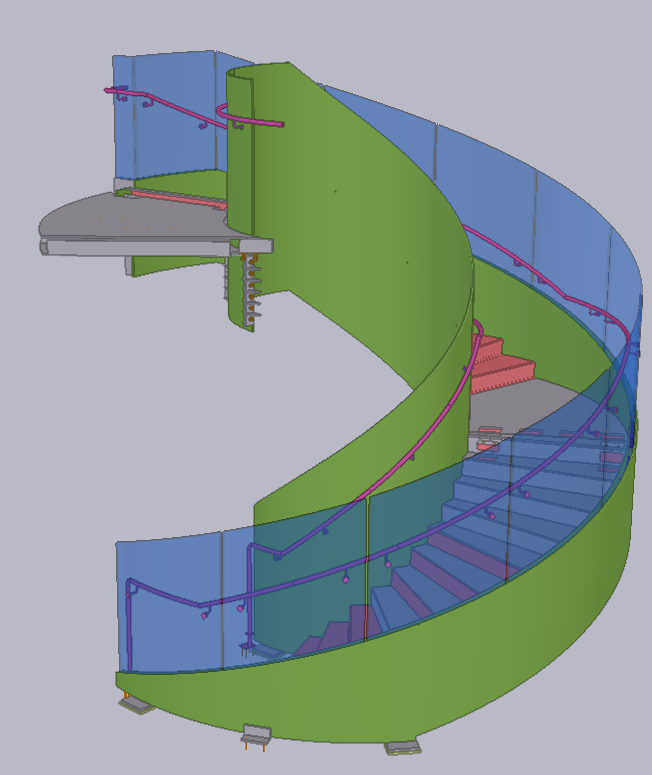
FEMAP shell FEA of architect-driven spiral stairs with tight geometric constraints — limited connection points to the existing structure and 20mm plate stringers. Governing check: dynamic response and natural frequency.
View 3D model →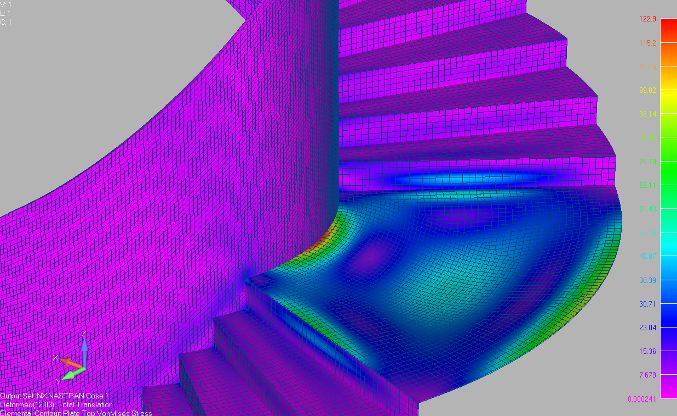
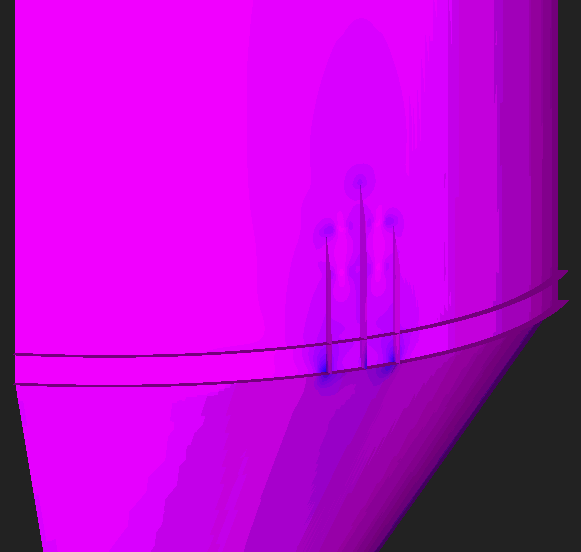
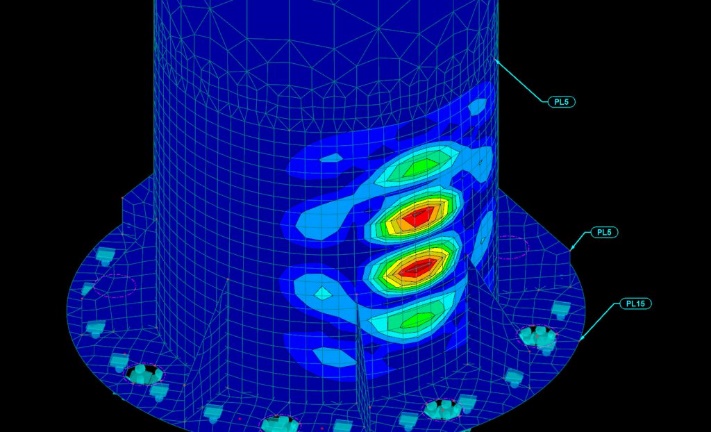
FEMAP shell analysis of a 16m sugar silo at Bundaberg sugar mill. Critical region: shell capacity directly above the supports, where the Australian Standard provided insufficient guidance — supplemented with EN 1991-4 and EN 1993-4-1.